
The Strategic Pivot: Analyzing the Symbiotic Evolution at the 2026 Beijing Auto Show
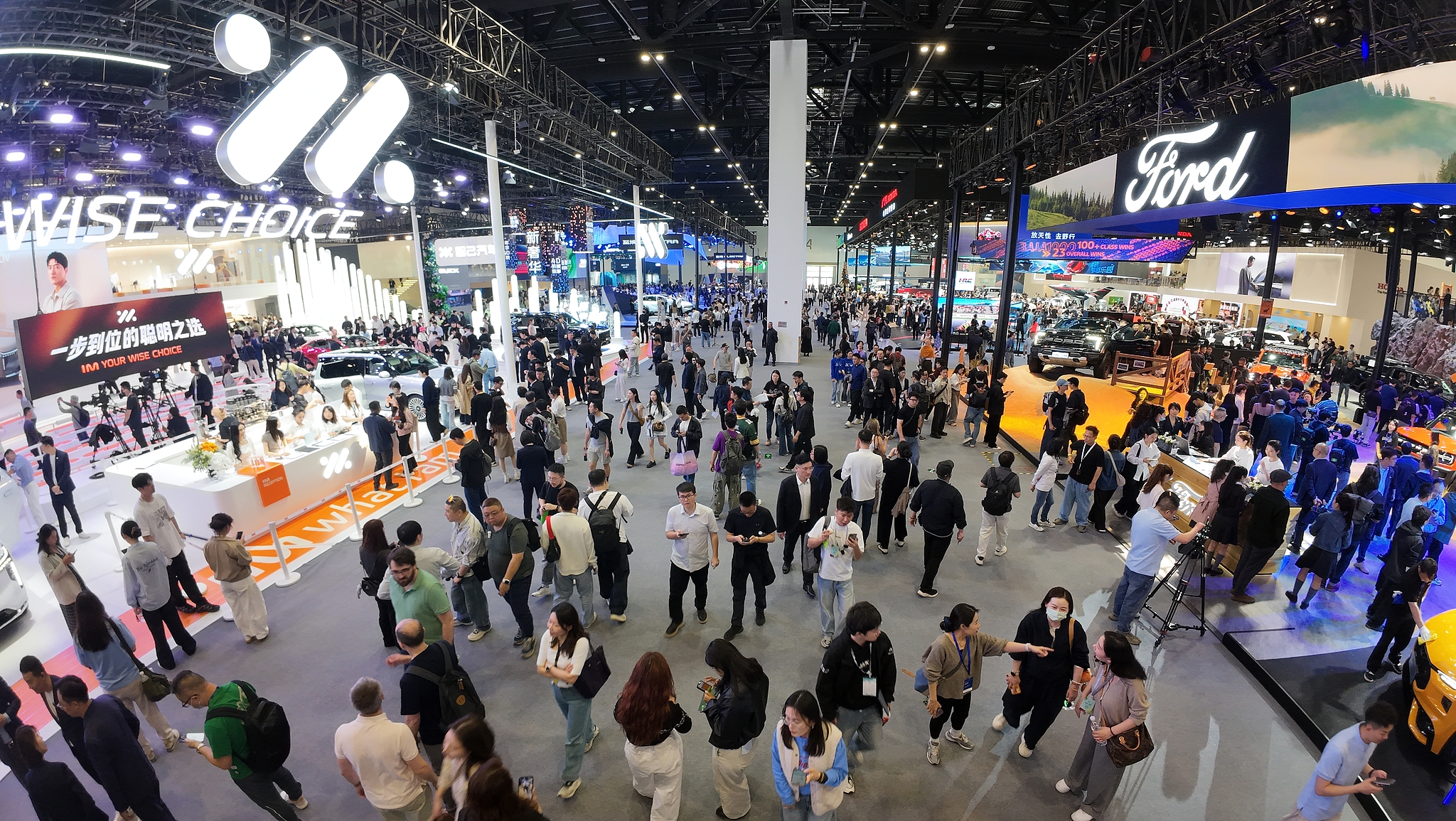
Attending the 19th Beijing International Auto Show this year has made one thing abundantly clear: the global automotive industry is no longer just "trading" with China; it is integrating into it. The sheer scale of the event, hosted across the Shunyi and Capital centers, highlights a market that is expanding at a breakneck pace. In the first quarter of 2026 alone, China’s vehicle exports hit 2.23 million units—a massive 56.7% year-on-year surge. This isn't just a marginal gain; it’s a total structural shift where overseas markets have become the primary growth engine for domestic OEMs. When you see GAC Group reporting an 86% spike in overseas sales for Q1, supported by a supply chain of 5 assembly plants and 9 parts warehouses, you realize that the "going global" strategy has moved from simple shipping to full-scale localized value-chain deployment.
The level of foreign investment deepening within the Chinese ecosystem is equally impressive, characterized by a transition from "In China for China" to "In China for the World." Volkswagen’s roadmap is a prime example, with a commitment to launch 13 new energy vehicle (NEV) models in China by the end of 2026. This isn't a surface-level expansion; it involves heavy investment in localized R&D to hit specific technical parameters that Chinese consumers now demand. We are seeing a high frequency of collaborations, such as Audi partnering with Huawei for intelligent driving systems and SAIC for platform development. As noted by People's Daily, this innovative ecosystem is the magnet drawing in global capital. For these firms, the logic is simple: the efficiency of China’s supply chain offers a 20% to 30% cost advantage in R&D cycles compared to traditional European or North American timelines.
From a technical and operational standpoint, the industry is currently optimizing for "intelligence" as much as "electrification." The launch of cross-border data service platforms by institutions like the China Automotive Engineering Research Institute is a critical solution to the complexity of global market access. By establishing 5 overseas centers across key regions like Southeast Asia and Europe, they are providing the precision testing and certification needed to navigate varying regulatory standards. This infrastructure lowers the entry barrier for mid-sized Chinese brands, allowing them to maintain a high rate of market penetration without the typical 24-month delay associated with international compliance. The goal is to reach a seamless integration where battery tech, electric drive systems, and intelligent cockpits are standardized across global fleets.
Looking at the financial trajectory, the investment returns for foreign automakers deepening their roots here are tied to the sheer volume and adoption rate of high-tech features. With NEV penetration rates frequently hitting 40% to 50% in major Chinese cities, the opportunity for ROI on smart-car software is unparalleled. Stellantis and Dongfeng Peugeot-Citroen are banking on this, with multiple NEV launches slated for a 3-year cycle to recapture market share. The potential solution to the intense competition lies in "mutual empowerment"—leveraging Chinese speed in software iteration with Western expertise in brand heritage and global distribution. If these partnerships maintain their current momentum, we can expect the total export value of the Chinese auto sector to maintain a double-digit growth rate through the 15th Five-Year Plan period, solidifying its position as the global hub for automotive innovation.
News source: https://peoplesdaily.pdnews.cn/business/er/30052003450