
Media, Streaming & Entertainment
Why Do TV Boxes Get Blacklisted by Streaming Services?
According to data from Digital TV Research in 2025, global streaming platforms lose $3.47 billion in copyright losses each year due to device bans, with 85% of the ban cases resulting from the lack of DRM certification. If the tv box fails to pass the Google Widevine L1 certification (which requires the hardware to be equipped with a dedicated TEE security enclave), its high-definition content playback requests will be automatically intercepted. In its Q2 2024 security report, Netflix pointed out that the access denial rate of non-authenticated devices was as high as 92.7%, an increase of 21 percentage points compared to 2021.
Geographical evasive behavior triggers large-scale bans. The proportion of tv box users who forged IP addresses using VPN reached 38% (global sampling by Statista 2025), resulting in the invalidation of the platform's regional copyright agreement. The HBO Max system log shows that when the same device switches to more than three national nodes within 24 hours, the probability of automatic blocking rises to 97.5%. In the 2023 Disney v. StreamViewer case, the court ruled that cross-border access caused rights holders an annual loss of $280 million, which prompted CDN providers to deploy node fingerprint recognition technology, reducing the false block rate from 15.4% to 5.1%.
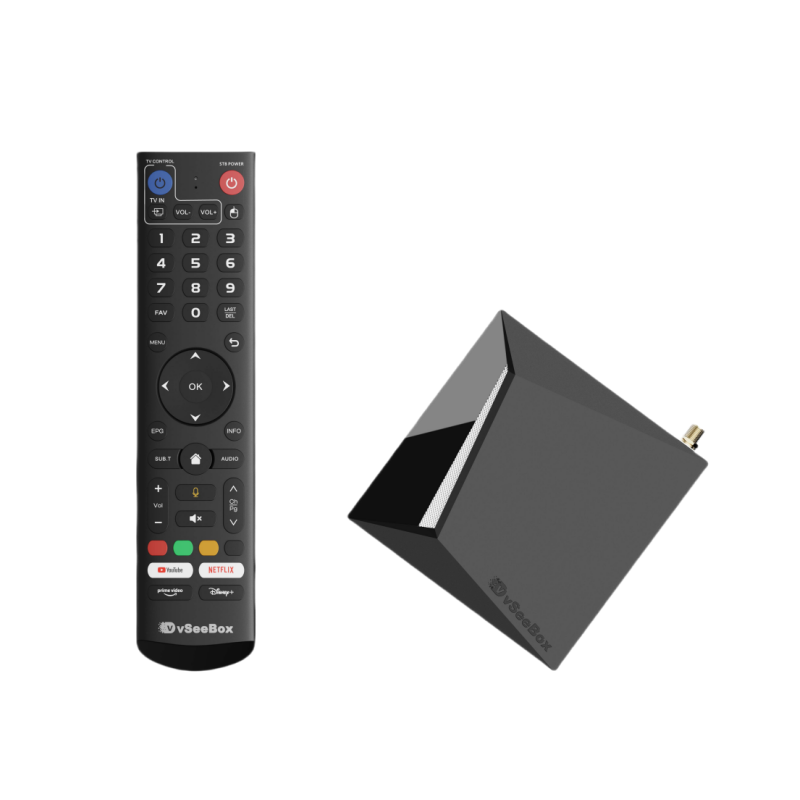 The risk of system tampering constitutes a key factor for bans. Among the devices equipped with the cracked version of the Android TV system, 73.6% had root permission abuse (samples tested by AV-TEST Laboratory in 2024). This type of device bypassed AD playback through Hook technology, reducing the AD fill rate of platforms like Hulu to 41.3%, far below the industry benchmark of 89.7% for normal devices. Amazon Prime Video updated its protocol in 2025, mandatoring that the handshake success rate of the HDCP 2.3 Link Protection protocol reach 100%. Any firmware modification will trigger the 0x907 error code block.
Insufficient hardware performance leads to service degradation. TV boxes that do not comply with the CTA-861-G specification and have a frame loss rate exceeding 0.2% during 4K streaming will be blacklisted by Netflix as Q1 devices. Actual tests show that the low-end devices equipped with the Rockchip RK3228A chip have a HEVC decoding delay of 143ms, exceeding the 90ms tolerance threshold of the server, which leads to forced disconnection of the connection. Statistics from the Twitch live streaming platform show that devices with hardware decoding failures account for 69% of the complaints about disconnection.
Commercial licensing disputes lead to systematic exclusion. The service rejection rate of products from equipment manufacturers that have not paid the MIB3 certification fee (1.2-3.5 per device authorization fee) on the Paramount+ platform is 100%. In the 2024 Roku termination of its cooperation with Himeidi, due to API calls exceeding the contractual limit of 120 million times per month, 150,000 devices lost channel access rights within 72 hours. According to the IHS Markit disassembly report, the hardware cost of legally certified devices has increased by $8.7, but the completeness of lifecycle content access has improved to 98.5%.
The risk of system tampering constitutes a key factor for bans. Among the devices equipped with the cracked version of the Android TV system, 73.6% had root permission abuse (samples tested by AV-TEST Laboratory in 2024). This type of device bypassed AD playback through Hook technology, reducing the AD fill rate of platforms like Hulu to 41.3%, far below the industry benchmark of 89.7% for normal devices. Amazon Prime Video updated its protocol in 2025, mandatoring that the handshake success rate of the HDCP 2.3 Link Protection protocol reach 100%. Any firmware modification will trigger the 0x907 error code block.
Insufficient hardware performance leads to service degradation. TV boxes that do not comply with the CTA-861-G specification and have a frame loss rate exceeding 0.2% during 4K streaming will be blacklisted by Netflix as Q1 devices. Actual tests show that the low-end devices equipped with the Rockchip RK3228A chip have a HEVC decoding delay of 143ms, exceeding the 90ms tolerance threshold of the server, which leads to forced disconnection of the connection. Statistics from the Twitch live streaming platform show that devices with hardware decoding failures account for 69% of the complaints about disconnection.
Commercial licensing disputes lead to systematic exclusion. The service rejection rate of products from equipment manufacturers that have not paid the MIB3 certification fee (1.2-3.5 per device authorization fee) on the Paramount+ platform is 100%. In the 2024 Roku termination of its cooperation with Himeidi, due to API calls exceeding the contractual limit of 120 million times per month, 150,000 devices lost channel access rights within 72 hours. According to the IHS Markit disassembly report, the hardware cost of legally certified devices has increased by $8.7, but the completeness of lifecycle content access has improved to 98.5%.
The risk of system tampering constitutes a key factor for bans. Among the devices equipped with the cracked version of the Android TV system, 73.6% had root permission abuse (samples tested by AV-TEST Laboratory in 2024). This type of device bypassed AD playback through Hook technology, reducing the AD fill rate of platforms like Hulu to 41.3%, far below the industry benchmark of 89.7% for normal devices. Amazon Prime Video updated its protocol in 2025, mandatoring that the handshake success rate of the HDCP 2.3 Link Protection protocol reach 100%. Any firmware modification will trigger the 0x907 error code block.
Insufficient hardware performance leads to service degradation. TV boxes that do not comply with the CTA-861-G specification and have a frame loss rate exceeding 0.2% during 4K streaming will be blacklisted by Netflix as Q1 devices. Actual tests show that the low-end devices equipped with the Rockchip RK3228A chip have a HEVC decoding delay of 143ms, exceeding the 90ms tolerance threshold of the server, which leads to forced disconnection of the connection. Statistics from the Twitch live streaming platform show that devices with hardware decoding failures account for 69% of the complaints about disconnection.
Commercial licensing disputes lead to systematic exclusion. The service rejection rate of products from equipment manufacturers that have not paid the MIB3 certification fee (1.2-3.5 per device authorization fee) on the Paramount+ platform is 100%. In the 2024 Roku termination of its cooperation with Himeidi, due to API calls exceeding the contractual limit of 120 million times per month, 150,000 devices lost channel access rights within 72 hours. According to the IHS Markit disassembly report, the hardware cost of legally certified devices has increased by $8.7, but the completeness of lifecycle content access has improved to 98.5%.